Food allergy testing can be carried out at any age where it is clinically appropriate. In children, testing is often considered when symptoms affect feeding, growth, or overall wellbeing. The type of test used will depend on your child’s age, symptoms, and medical history, with safety and comfort always prioritised.
Home » Manchester » Food Allergy Testing In Manchester
Food Allergy Testing In Manchester
If you’re looking for comprehensive food allergy testing, we can help

Food allergies can cause a wide range of symptoms, from mild digestive discomfort to severe and potentially dangerous reactions. If you suspect that certain foods are triggering symptoms, professional food allergy testing can help identify the cause and guide safer dietary choices.
At Balance Health Centre, we provide private food allergy testing for Manchester patients, focusing on accurate results, clear clinical interpretation, and practical advice you can act on.
You can book a free consultation today or message us on WhatsApp or call us if you have any questions. To learn more about our food allergy tests, please keep scrolling.
Reviews and Testimonials
Below, you can find some reviews and testimonials on our food allergy tests.
EXCELLENTTrustindex verifies that the original source of the review is Google. My brother and nephew have both attended this clinic and highly recommended them. My mum who is 80 has been suffering from pain in her lower back. Shes very independent and it was causing her not just pain but anxiety. I took her along and she was seen by Elliot, we can’t thank him enough he explained her problem in a way we could understand which was very reassuring he treated her back and gave sound advice. We can see a huge improvement in her mobility she’s able to walk further, go shopping and she is happier in herself. I said it’s like she’s been to Lourdes 😂 Thanks again Elliot for helping my lovely mum xxPosted onTrustindex verifies that the original source of the review is Google. I recently had the pleasure of experiencing colonic irrigation therapy with my therapist, Nicola, and I cannot recommend her highly enough! From the moment I arrived, I felt welcomed and at ease. Nicola's professionalism and expertise were evident throughout the session. She took the time to explain the process in detail and answered all my questions with patience and care. During the therapy, she ensured my comfort and provided a relaxing environment, which made the experience much more enjoyable. I left feeling lighter, more energized, and with a newfound sense of well-being. Nicola’s holistic approach and genuine concern for her clients truly set her apart. If you are considering colonic irrigation therapy, I wholeheartedly recommend booking a session with Nicola. You won't regret it! less...Posted onTrustindex verifies that the original source of the review is Google. Having suffered for 30 years with a bad back that has got gradually worse over the years, I was pointed in this direction. What a transformation Mike has made to me & my quality of well being, I have gone from struggling to get in & out of the car, from walking any distance to what I can do now. After the 1st session my movement was amazing the pain had been reduced to almost nothing, a further 4 sessions and I walked over 70 miles in 6 days on holiday. I would not hesitate to recommend Mike and his team, these are truely magic at what they do, I guarantee you will not be disappointedPosted onTrustindex verifies that the original source of the review is Google. What can I say went in full of pain came out feeling a new man couldn't recommend highly enoughPosted onTrustindex verifies that the original source of the review is Google. Couldn’t recommend a better professional and friendlier place. As I drive for a living I go once a month for my back and they’re brilliant!! There’s a reason why you can’t get an appointment within 10 days unless there is a cancellation.Posted onTrustindex verifies that the original source of the review is Google. An amazing clinic offering great treatments. Staff very welcoming, helpful and friendly xPosted onTrustindex verifies that the original source of the review is Google. Monday this week, I attended local A&E hospital with severe pain, muscle and nerve damage following a fall few days earlier. I called Balance Tuesday, attended later same day, Elliott listened to the detail of pain and got straight to work. I left feeling 50% relief, I returned 2 days later for another session with Elliot with added prolozone injections with Mike. Today is Saturday, I'm walking, I am pain free and feeling on top of the world. I really can't thank Elliot/Mike enough as I'm now able to go on holiday as planned in coming days. Don't suffer with pain, reach out, these are the best around....🙌Posted onTrustindex verifies that the original source of the review is Google. Absolutely fantastic group of professionals. Been going for years. Would recommend for any sort of therapy and muscle related issuesVerified by TrustindexTrustindex verified badge is the Universal Symbol of Trust. Only the greatest companies can get the verified badge who has a review score above 4.5, based on customer reviews over the past 12 months. Read more
What Is Food Allergy Testing?
Food allergy testing is designed to identify whether your immune system reacts abnormally to specific foods. True food allergies involve an immune response, most commonly mediated by Immunoglobulin E (IgE) antibodies.
This is different from food intolerances, which do not involve the immune system and are usually linked to digestive processing rather than allergic reactions.
Food allergy testing looks specifically for immune responses that may explain symptoms such as hives, swelling, breathing difficulties, or gastrointestinal distress after eating certain foods.

What Foods Can Be Tested?
There are 14 key food allergens that are regulated by law. For many people, however, they may experience reactions to more foods.
Milk (Dairy)
Common sources: milk, cheese, yoghurt, butter, cream, ice cream, milk powder
Eggs
Common sources: eggs, mayonnaise, cakes, pastries, pasta, custard
Peanuts
Common sources: peanut butter, satay, snack bars, peanut oils, confectionery
Tree Nuts
Includes almonds, cashews, walnuts. Sources: nut butters, desserts, pesto, cereals
Soya
Common sources: soy sauce, tofu, tempeh, edamame, processed foods
Wheat (Gluten)
Common sources: bread, pasta, cereals, biscuits, pizza, breadcrumbs
Fish
Common sources: cod, salmon, tuna, anchovies, fish sauces
Shellfish
Includes prawns, crab, lobster, mussels. Sources: paella, chowders, sushi
Sesame
Common sources: tahini, hummus, sesame oil, breads, snack bars
Mustard
Common sources: mustard spreads, dressings, marinades, pickles
Celery
Common sources: soups, stock cubes, ready meals, seasoning mixes
Lupin (Lupine Flour)
Common sources: gluten-free goods, pastries, vegan foods
Sulphites
Common sources: dried fruit, wine, beer, pickles, soft drinks
Common Symptoms of Food Allergies
Food allergy symptoms can vary in severity and often affect more than one part of the body. Common digestive symptoms include nausea, vomiting, abdominal pain or cramping, and diarrhoea.
Skin reactions are also frequent and may involve:
🔵Itching or tingling
🔵Hives or raised rashes
🔵Swelling of the lips, face, tongue, or throat
Some people experience respiratory symptoms such as wheezing, coughing, or ongoing nasal congestion after eating certain foods.
In more serious cases, food allergies can cause systemic reactions, including dizziness, a rapid heartbeat, or anaphylaxis, which requires urgent medical attention.
If symptoms occur consistently after eating particular foods, professional food allergy testing may help identify the underlying cause.
This is why it’s so important to get an allergy test if you think you’re allergic to a certain type of food.

The Types of Allergy Testing We Offer in Manchester
We offer different types of food allergy tests here at Balance Health Centre. They operate in different ways and can test for different things.
Blood Food Allergy Testing (Specific IgE)
Blood-based food allergy testing measures the level of IgE antibodies produced in response to specific foods. This type of testing is suitable for both adults and children and does not require direct exposure to the allergen during the test itself.
Results typically indicate whether your immune system is sensitised to particular foods. These results are always interpreted in the context of your symptoms and medical history to avoid unnecessary dietary restrictions.
Skin Prick Food Allergy Testing
Skin prick testing involves placing a small amount of food allergen extract on the skin and gently pricking the surface. A localised reaction may indicate sensitisation.
This method provides rapid results and is commonly used where appropriate. It is generally safe when carried out by trained professionals and is often used alongside clinical assessment to confirm or rule out suspected food allergies.
Meet Your Expert Healthcare Practitioners
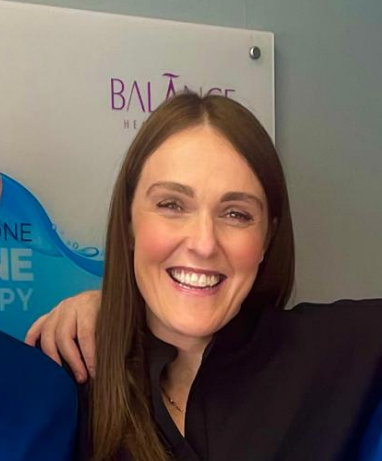
Our food allergy testing service is led by Nicola Furlong, an experienced healthcare professional with a strong clinical background.
Nicola has a particular interest in gut health and takes a thoughtful, patient-focused approach, helping people understand their symptoms and regain confidence in their health.
If you would like to arrange a free consultation with Nicola, please contact us today to get started.
What Happens During an Allergy Testing Appointment?
Your food allergy testing appointment begins with a comprehensive clinical consultation. During this stage, your practitioner will explore your symptoms in detail, including when they occur, how quickly they develop after eating, and how long they last. You will also discuss your typical diet, any known trigger foods, previous reactions, and relevant medical or family history.
This detailed assessment is essential in determining which foods should be tested and which testing method is most appropriate.
Food allergy testing is not approached as a blanket screening exercise. Instead, it is targeted and clinically guided to ensure results are meaningful and relevant to your symptoms.
Once the appropriate test has been selected, this is carried out either through a blood sample or skin prick testing, depending on clinical suitability.
When results are available, they are reviewed carefully and explained in clear, practical terms.
You will be supported in understanding what the findings mean for your daily diet, including which foods may need to be avoided and which are safe to continue consuming.
Where appropriate, you may also be advised on further investigations, referrals, or follow-up support.
How Accurate Is Food Allergy Testing?
Food allergy testing is most reliable when test results are interpreted alongside your clinical history and symptom patterns.
A positive test result indicates immune sensitisation, but does not always mean that eating the food will cause symptoms. Similarly, a negative result can help rule out certain allergies, but must still be considered in context.
False positives can occur, particularly if results are viewed in isolation. For this reason, professional interpretation is essential.
By combining test results with a detailed clinical assessment, unnecessary food avoidance can be prevented, and the risk of missed or incorrect diagnoses is significantly reduced.
This approach ensures testing supports informed decision-making rather than creating uncertainty.
Food Allergy Testing for Children and Adults
Food allergy testing is suitable for both adults and children and can be particularly important where symptoms affect daily functioning, nutrition, or overall wellbeing.
In children, testing is often considered if there are concerns around feeding difficulties, poor growth, persistent skin conditions, or repeated unexplained reactions to food.
Safety and comfort are prioritised at every stage, and testing methods are chosen based on age, symptoms, and individual clinical needs.
Parents are fully involved throughout the process and supported in understanding results, next steps, and how to manage confirmed allergies safely at home and in social settings.
Our Allergy Testing Clinic for Manchester Patients
Manchester patients attend appointments at our clinic, which is conveniently located for those travelling from Manchester city centre and across Greater Manchester.
We regularly see patients from surrounding areas and aim to offer appointment times that fit around work, school, and family commitments.
Clear directions and travel guidance are provided at the time of booking, helping to make the process as straightforward and stress-free as possible.
Book an Allergy Testing Appointment in Manchester
At Balance Health Centre, food allergy testing is delivered using a clinically led, patient-focused approach. We prioritise accuracy, careful interpretation, and clear communication rather than simply providing test results without context.
Every assessment is tailored to the individual, taking into account symptoms, medical history, lifestyle, and dietary needs. Where a food allergy is identified, we support you in managing it safely and confidently, helping you make informed choices without unnecessary restrictions.
To book an appointment, click below.
Frequently Asked Questions (FAQs)
Below, you can learn more about our allergy testing in Manchester with our FAQ.
How Far Is Your Allergy Testing Clinic From Manchester City Centre?
Our allergy testing clinic is located on Birchfield Road in Widnes, approximately 22 miles from Manchester city centre.
By car, the journey typically takes around 30 minutes, depending on traffic and your starting point in Manchester. The clinic is also accessible by public transport, with Widnes railway stations offering regular services from Manchester, followed by a short taxi or bus journey.
Full travel directions and guidance are provided when you book, so you know exactly how to get here and what to expect on the day.
How Quickly Can I Get Allergy Test Results?
The time frame for receiving results depends on the type of food allergy test carried out. Skin prick test results are usually available during the appointment itself, allowing for immediate discussion and guidance.
Blood-based food allergy test results are typically returned within a few days. Once received, results are reviewed and explained clearly, ensuring you understand what they mean for your diet, symptom management, and next steps. You will not be left to interpret results on your own.
Do You See Patients From Across Greater Manchester?
Yes. We regularly see patients from across Greater Manchester, including Manchester city centre, Salford, Stockport, Trafford, Bolton, Bury, Oldham, Rochdale, Wigan, Tameside, and Altrincham. Our clinic is easily accessible for patients travelling from surrounding areas, and we provide clear directions at the time of booking to make attending your appointment as straightforward as possible.
How Quickly Can I Book A Food Allergy Testing Appointment In Manchester?
Appointment availability can vary, but we aim to offer food allergy testing appointments as quickly as possible. In many cases, Manchester patients can book an appointment within a short timeframe, particularly for initial consultations. Our team will advise you on current availability and help arrange a suitable appointment time when you get in touch.
Is The Consultation Included In The Cost Of Testing?
Yes. The cost of food allergy testing typically includes the initial consultation, the testing itself, and professional interpretation of your results. You will be given clear information about what is included before proceeding, so you can make an informed decision without any hidden costs.
Will I Receive Guidance On What Foods To Avoid?
Yes. If testing identifies a food allergy, you will receive clear, practical guidance on which foods to avoid and how to manage your diet safely. This includes advice on reading food labels, avoiding cross-contamination, and understanding how allergies may affect eating out or social situations.